Education & Outreach
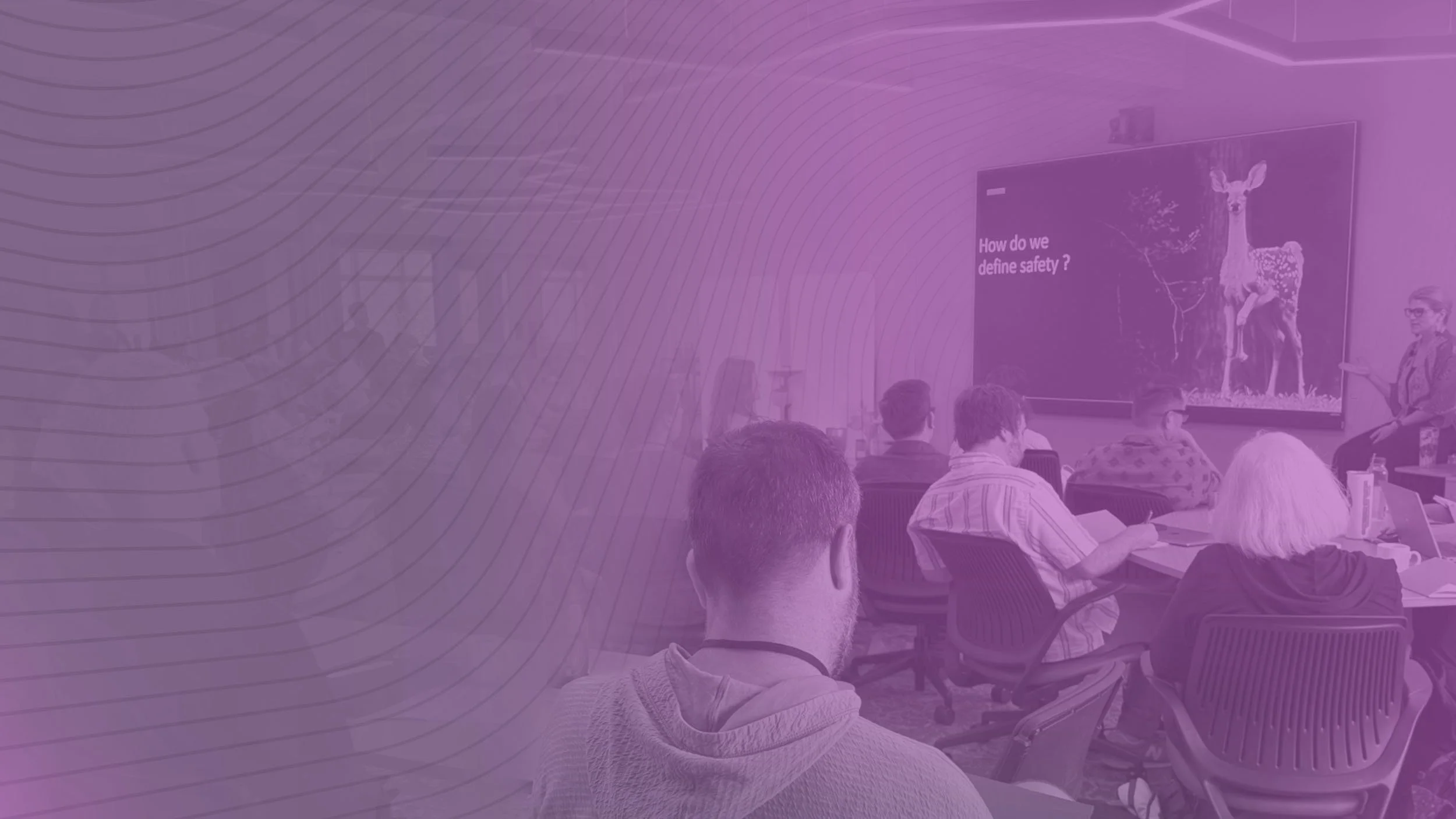
Over the past year, Usona Institute offered educational initiatives to provide immersive and interactive learning experiences with a curriculum that balances scientific rigor, therapeutic skill-building, and community-oriented learning. These programs are designed to prepare clinical, scientific, and academic leaders with the critical knowledge needed to advance psychedelic therapy in real world settings and prepare for future delivery models of care.
Highlights
-
Welcomed over 400 education program attendees to the Usona campus since 2024
-
Expanded the program offerings and curriculum with immersive programs designed to prepare scientific, clinical, and academic leaders
-
Awarded full and partial scholarships for participation in Usona’s Immersive Education Programs, expanding access and diversity of participants
-
Strengthened partnerships with research and academic institutions to prepare practitioners and faculty for future care delivery
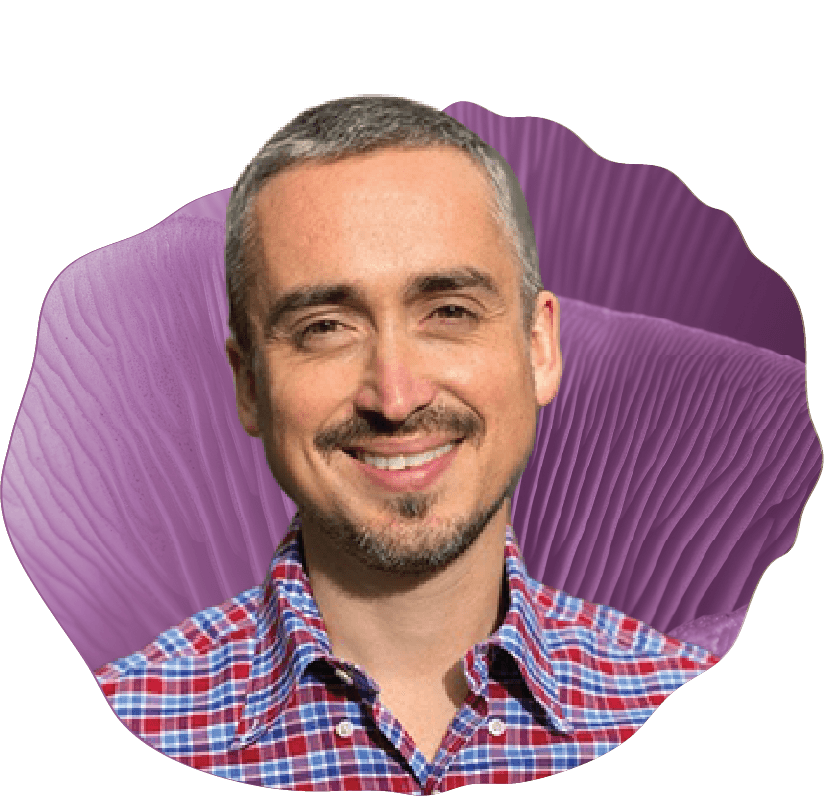
Assistant Professor, Psychiatry, Oregon Health & Science University, VA Portland Health Care System, Director, Social Neuroscience & Psychotherapy Lab in Portland, ORChris Stauffer, MD
“Usona’s roundtable on preparing for delivery of care provided a meaningful forum to consider what it will take to deliver psychedelic care responsibly within large healthcare systems like the VA. Usona’s collaboration through the Phase 3 trial at our Portland VA site and its support for our investigator-initiated studies, including a completed study of psilocybin group therapy and an ongoing study piloting psilocybin therapy for Veterans with stimulant use disorder within a VA residential treatment program, has also played a pivotal role in advancing this work. The roundtable discussions on group-based care, interdisciplinary teams, and the integration of peer support directly reflected the clinical questions we face at the Portland VA and OHSU as we work to develop models that are safe, scalable, and responsive to the needs of patients and their families. The event also highlighted a growing alignment across the field: team-based approaches grounded in real-world clinical realities will be essential for equitable access. Participating in the conversation underscored how much progress is possible when researchers, clinicians, and sponsors work collaboratively to translate emerging evidence into models of care that inform best practices across real-world clinical settings.”
Featured Events
-
February 20-23, 2025 & October 26-29, 2025
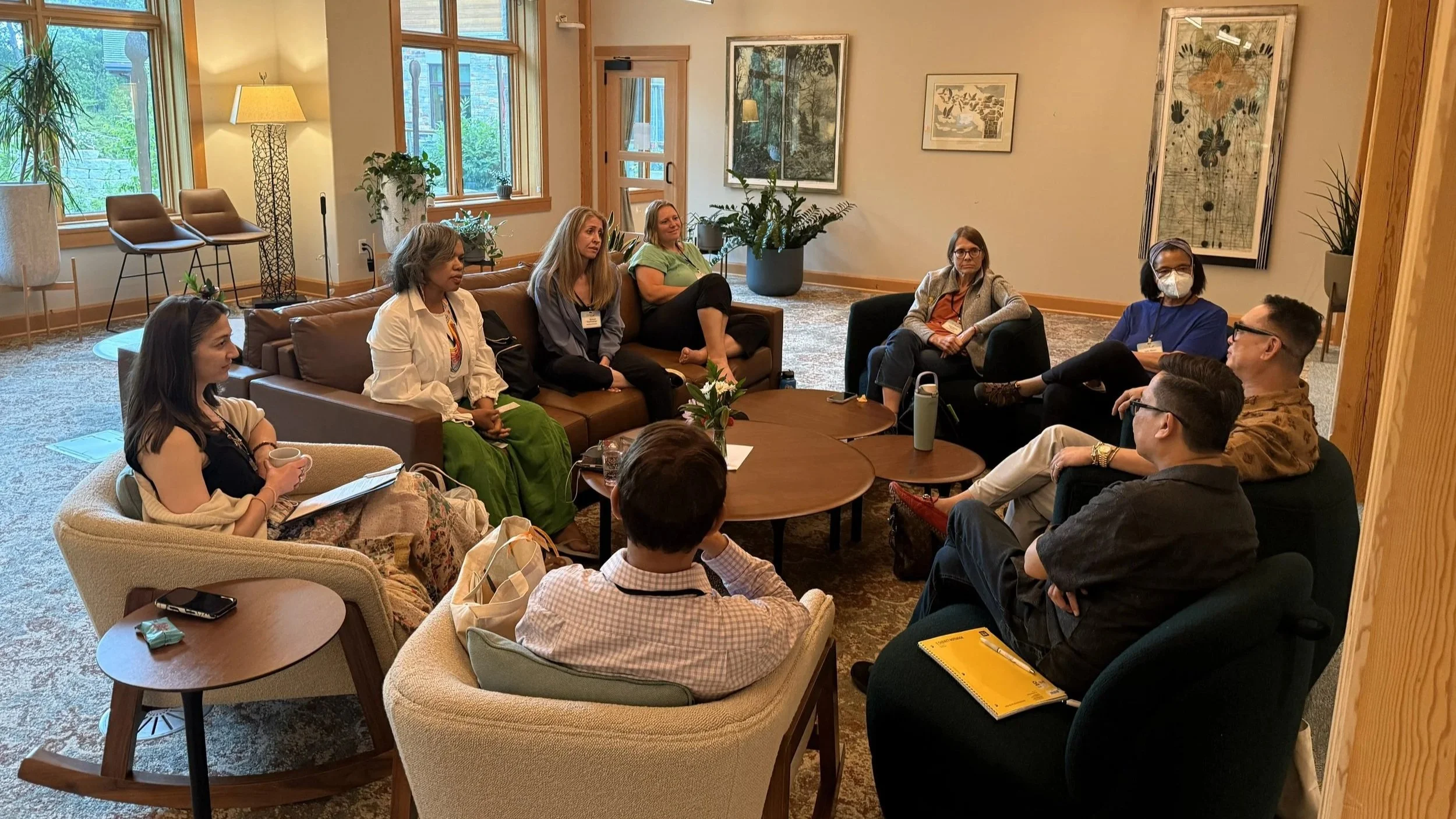
Comprehensive educational programs for faculty, healthcare leadership, and researchers interested in applied learning, cross-disciplinary collaboration, and fostering connections in the field of psychedelic therapies and clinical research.
-
JUNE 7-11, 2025
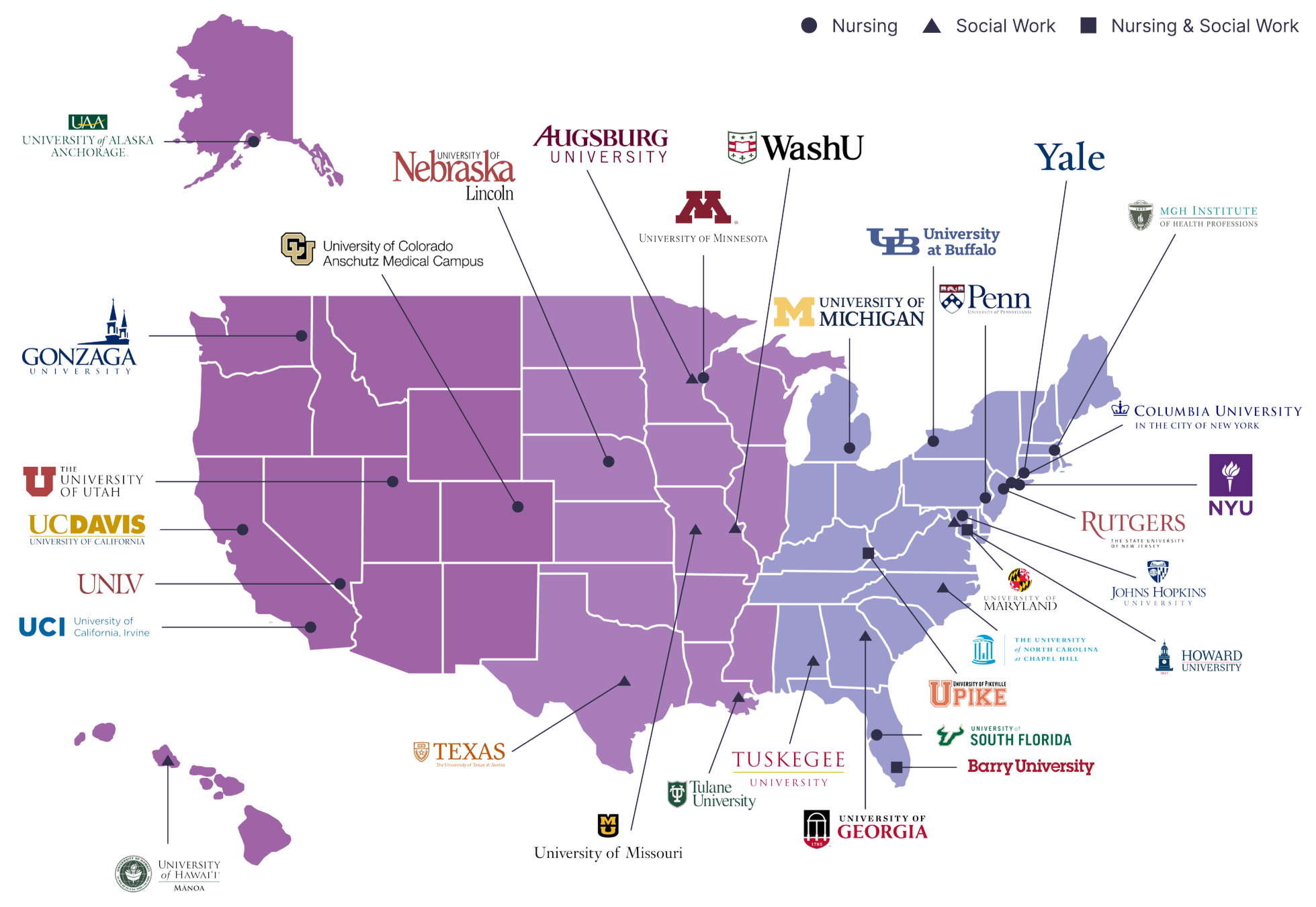
We brought together 63 clinicians, researchers, and educators from nursing and social work programs representing 33 universities across 22 states for an intensive 6-day immersive learning experience. This collaborative educational initiative equips university faculty to integrate evidence-based psychedelic content into their curricula, laying the groundwork for the next generation of practitioners, researchers, and educators.
-
September 21-24, 2025
An experiential training and immersive program in the science and practice of breathwork including breathwork principles and techniques; history and neuroscience; facilitation and active participation, and preparation for advanced breathwork training.
-
November 12, 2025
A cross-sector stakeholder convening among leaders in research, healthcare, policy, and industry to explore practical pathways toward ethical, effective, and sustainable models for delivering psychedelic therapies in real world applications.
Faculty Fellow Program
June 2 – 7, 2025
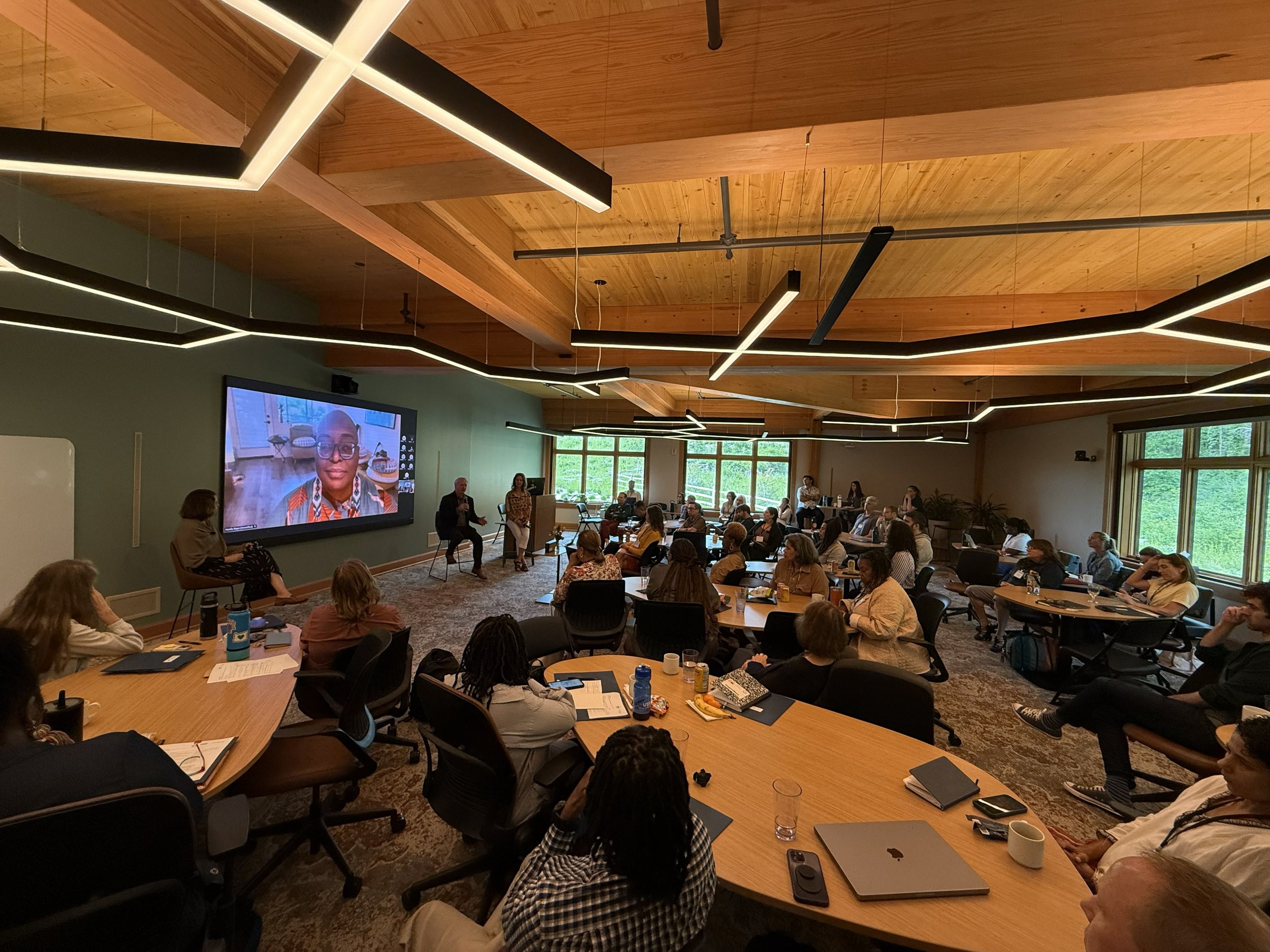
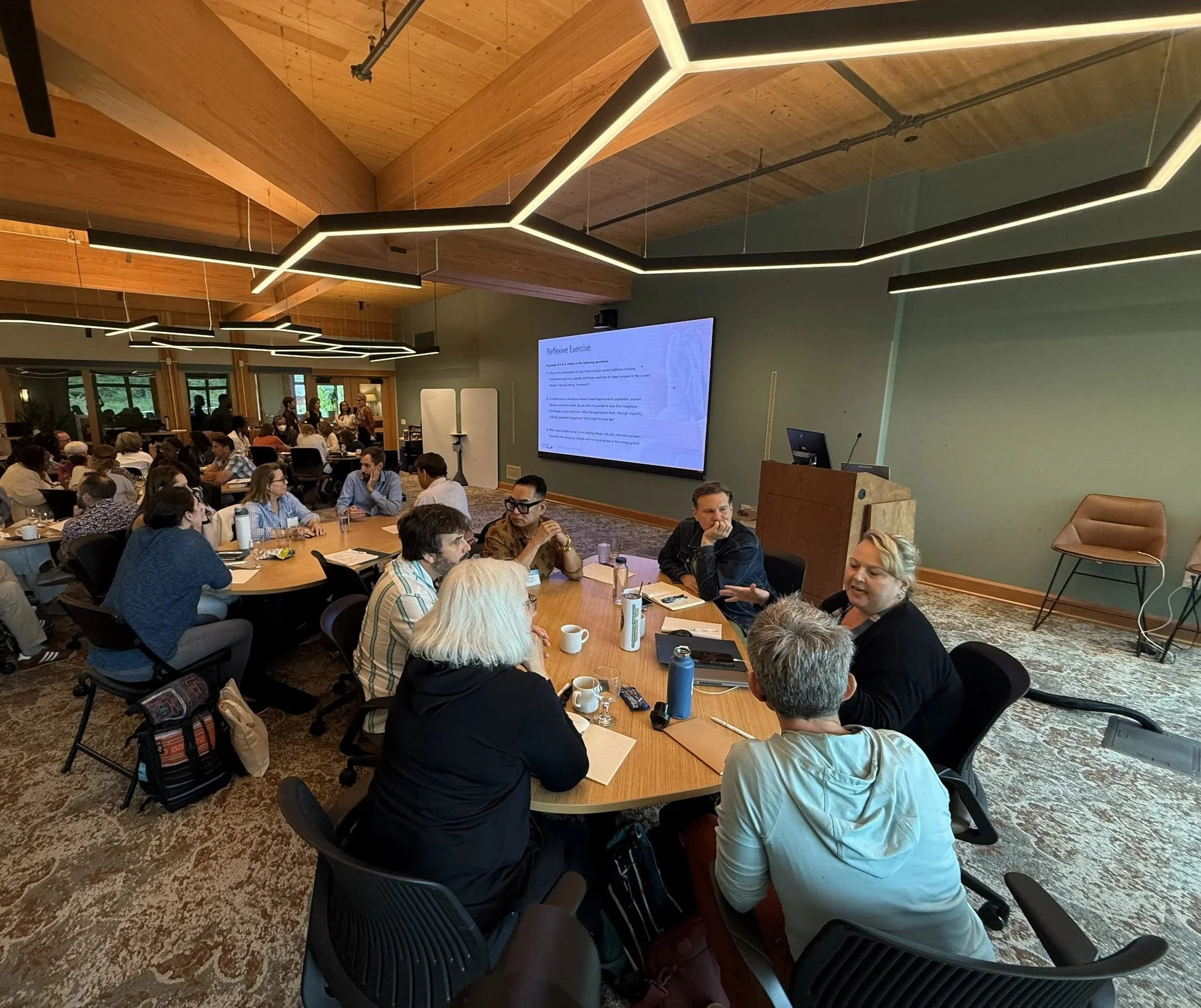
The University Psychedelic Education Program (U-PEP) Faculty Fellow Program, hosted at Usona Institute, brought together 63 clinicians, researchers, and educators from 33 universities across 22 states for a 6-day immersive learning experience focused on advancing safe, ethical, and evidence-informed psychedelic therapy.
Across cohorts, participants engaged with a curriculum that balanced scientific rigor, therapeutic skill-building, and community-oriented learning. Sessions highlighted new research, practical considerations for clinical settings, and the interpersonal competencies essential to supporting transformative experiences.
U-PEP emerged from an innovative pilot program launched in 2022 at the University of Pennsylvania and Columbia University’s Schools of Social Work and Nursing, which was made possible by the Steven & Alexandra Cohen Foundation and the Joe & Sandy Samberg Foundation.
Participating Organizations
U-PEP Faculty Fellows | Yale School of Nursing
Samantha Korbey
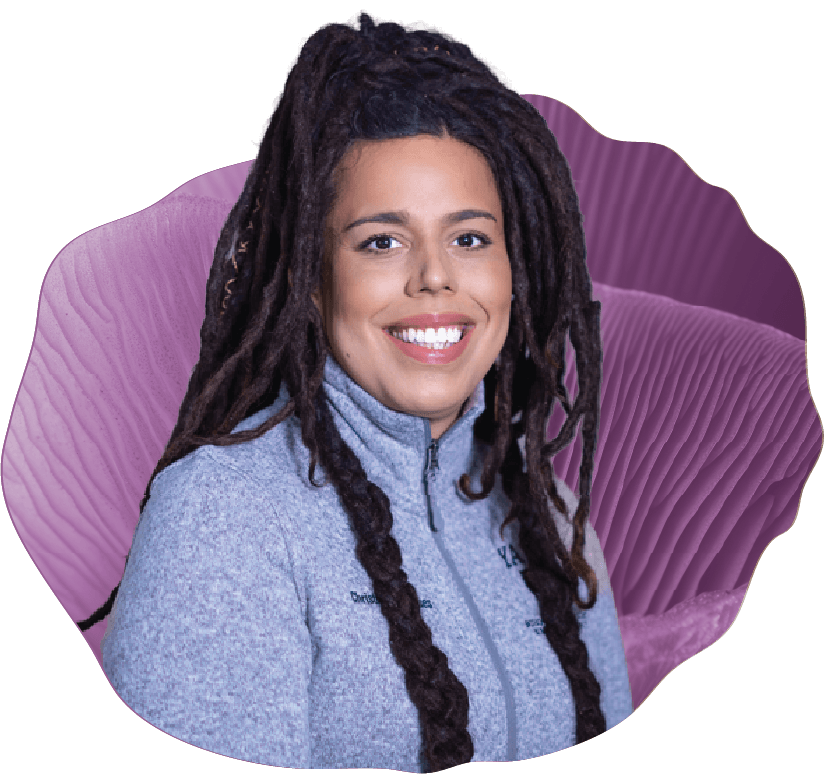
DNP, MSN, APRN, FNP-B
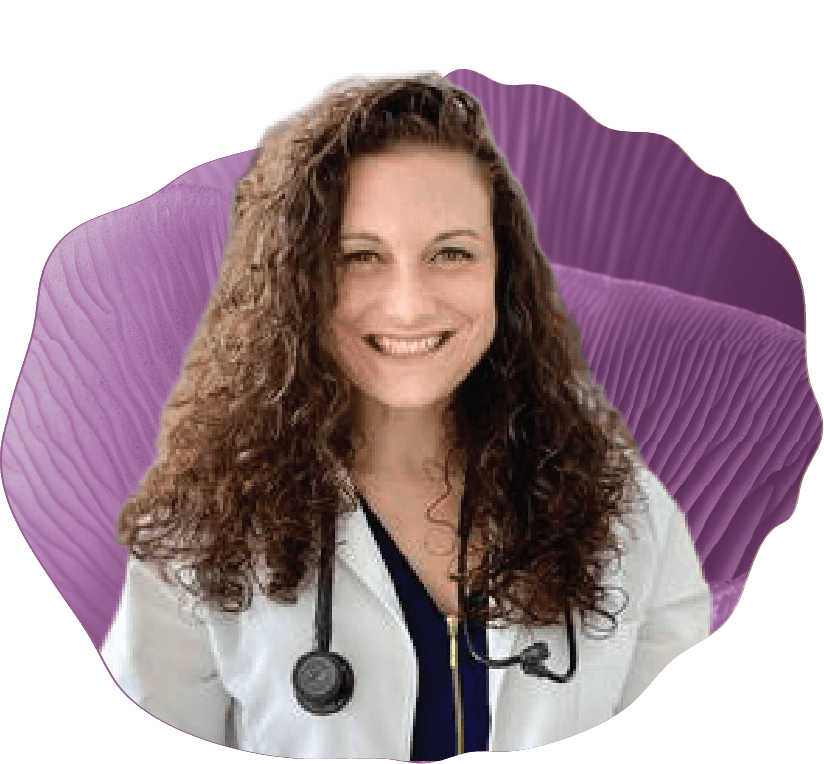
Christine Rodriguez
“Participation in the U-PEP Faculty Fellow Education Program at the Usona Institute was instrumental in shaping the Entheogen-Assisted Care in Nursing (EACIN) Concentration by providing a thoughtfully designed and highly intentional environment for innovation in nursing education. As inaugural U-PEP Faculty Fellows, we benefited deeply from distinguished speakers, a plethora of educational resources, interdisciplinary dialogue, ethical reflection, and evidence-informed inquiry into emerging models of entheogen-assisted care. Equally significant was the program’s commitment to centering and amplifying Indigenous voices, which created the conditions for us to develop the R3 Framework: Reverence, Reciprocity, and Relationality, as a core foundation of the curriculum. Integrating entheogen-assisted care coursework into nursing is essential, as it equips nurses to attend to trauma, community-based healing, and the relational dimensions of wellbeing with rigor, humility, and cultural attunement. In doing so, we prepare future nurses to meet this pivotal moment with integrity, ethical grounding, and the knowledge required to steward this work responsibly for the diverse communities we serve.”
DNP, APRN, FNP-BC, MDiv, MA, FNYAM, FAAN
Usona provides scholarships to students and those seeking to complete certification programs in the field of psychedelic sciences or related clinical/translational research. This program aims to advance knowledge about psychedelic sciences and provide broader access and diversity to these programs, consistent with Usona’s overall mission and goals.
Scholarship Program
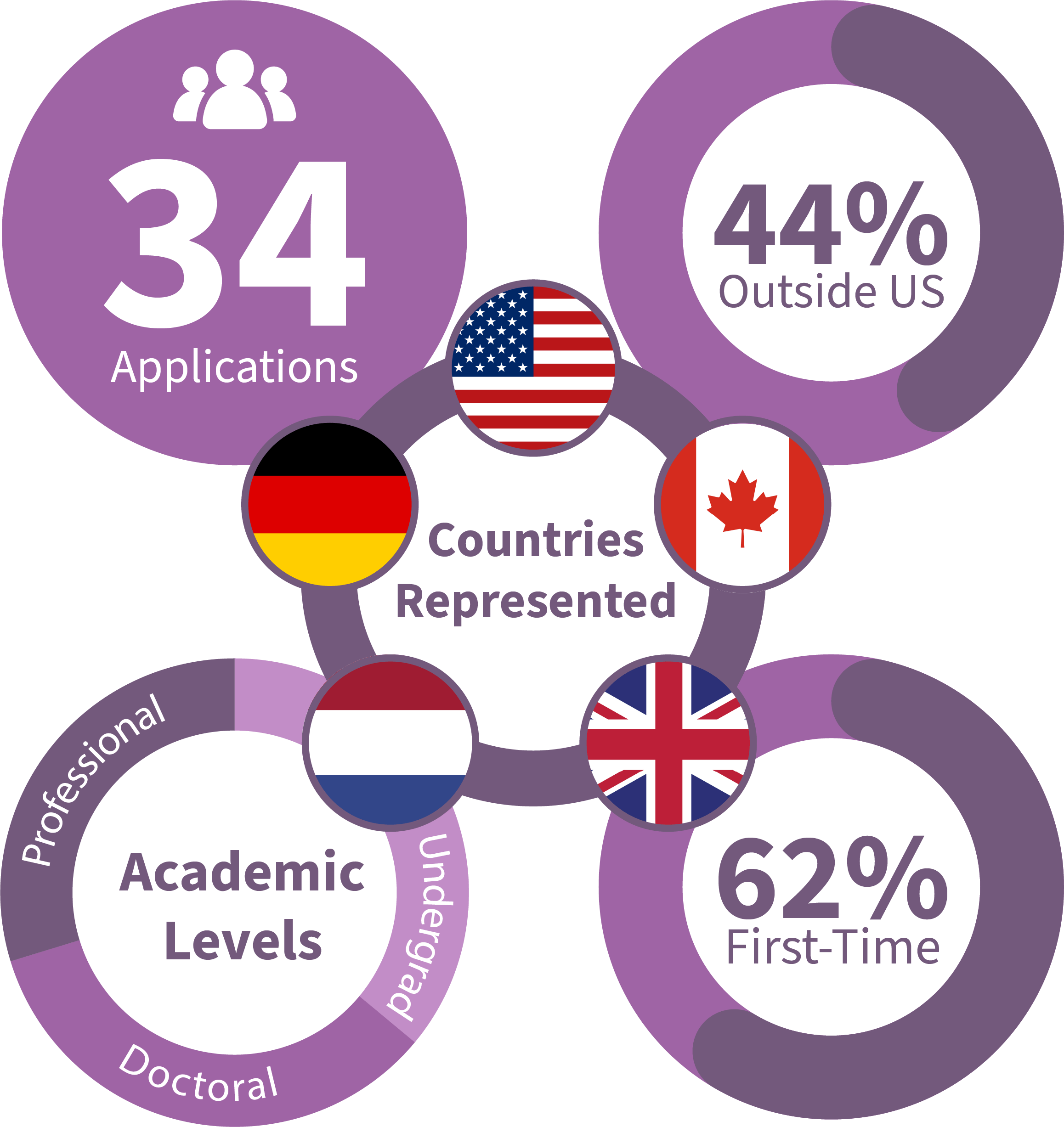
In 2025, Usona supported a global cohort of students and researchers from diverse fields and backgrounds:
34 applicants, with 44% based outside the U.S.
62% first-time applicants
Representation from universities in United States, Canada, United Kingdom, Netherlands, and Germany
Recipients included undergraduate, doctoral, and professional certification candidates in psychedelic therapy, psychopharmacology, and therapy integration
President of Doctoral Student Organization, CSW
PhD Student, Community Building Workgroup
Graduate School Fellow, Center for Psychedelic Drug Research & Education
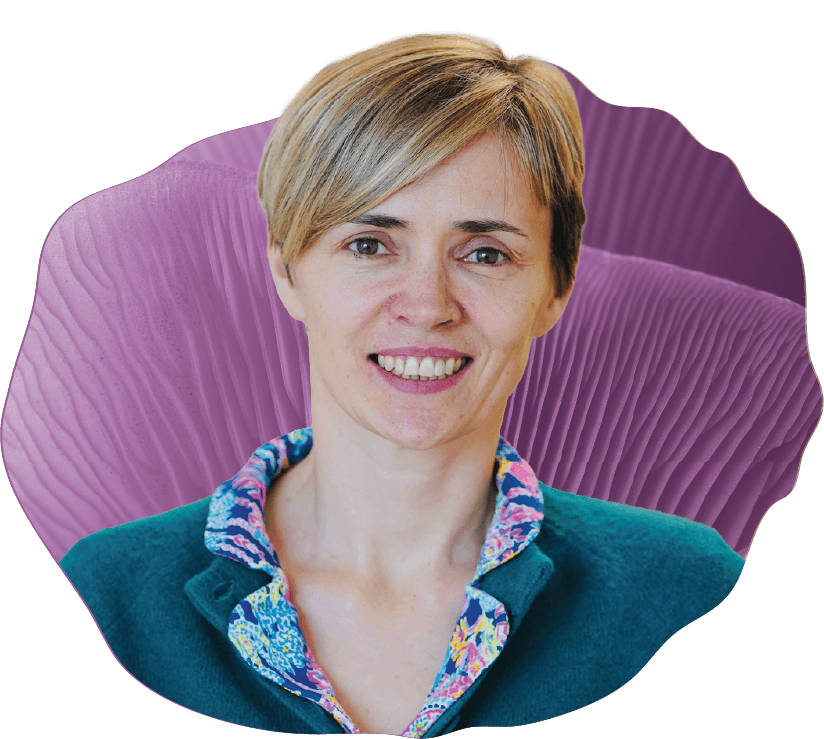
Esenia Casidy, PhD
“I am deeply grateful to Usona Institute and the Burroughs Wellcome Fund for this scholarship support. In 2025, this award allowed me to meaningfully advance my research at the Center for Psychedelic Drug Research and Education, supporting six domestic and international conference presentations, one publication with another accepted, several manuscripts under review, and additional papers in progress. I also contributed to the field through peer-review service and by co-editing Women & Therapy’s special issue on psychedelics and gender, an area central to my work. The Usona scholarship program made it possible to sustain my academic and clinical training while balancing multiple research projects, leadership roles, and parenting responsibilities, allowing me to pursue work that I believe can meaningfully shape future care for diverse communities.”
Media Highlights





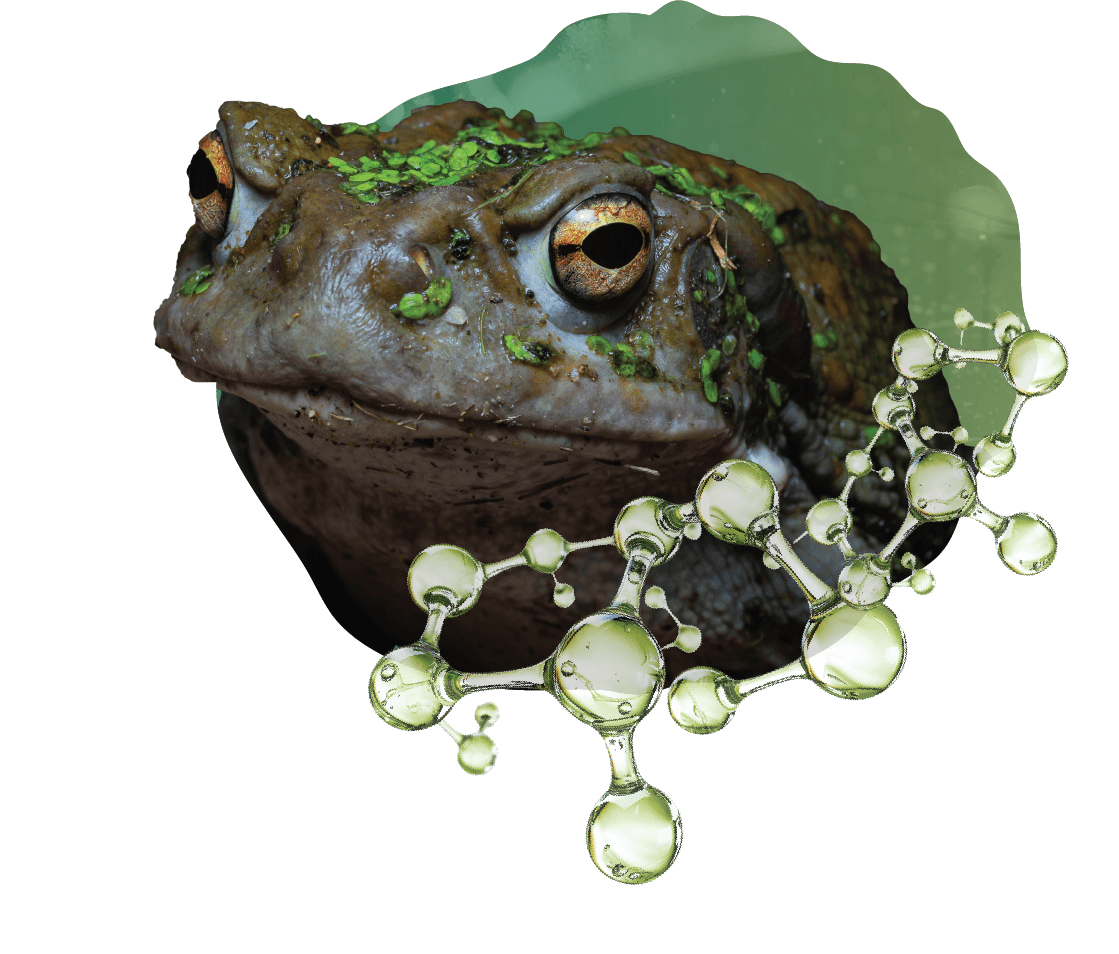
Usona’s Clinical Therapeutic Lead, Anny Ortiz, PhD, collaborated with the Indigenous Medicine Conservation Fund to conduct conservation assessment research on the Sonoran Desert Toad.
“This project stands as a powerful example of how science, ethics, and cultural respect can come together to protect a vulnerable species while supporting a field that is rapidly evolving. Our baseline assessment work has revealed the alarming decline of Incilius alvarius in key regions of its range in Mexico, underscoring the urgency of conservation efforts and the need to correct long-standing misconceptions about its alleged ancestral use and safety risks.
Synthesized 5-MeO-DMT offers a vital path forward: it removes pressure from fragile wild populations, avoids the toxins naturally present in toad secretions, and provides a reliable investigative tool for studying its potential mental-health and psychophysiological effects without contributing to ecological harm. By advancing this project, and by championing synthetic alternatives, we are helping to ensure that the toad—and the cultural and scientific landscapes surrounding it—can thrive for generations to come.”